Jewellery · 6 min read
How to choose a gemstone ring for yourself
Most guides to this are written for people buying an engagement ring. This one is not.
Buying a ring for yourself is a different exercise from buying one for somebody else, and almost everything written about choosing rings assumes the second case. The advice changes considerably when you are the person who will be wearing it every day and nobody needs to be surprised.
Start with the setting, not the stone
This is the reversal most people need. The stone is what you will fall for in a photograph. The setting is what determines whether you still wear the ring in two years.
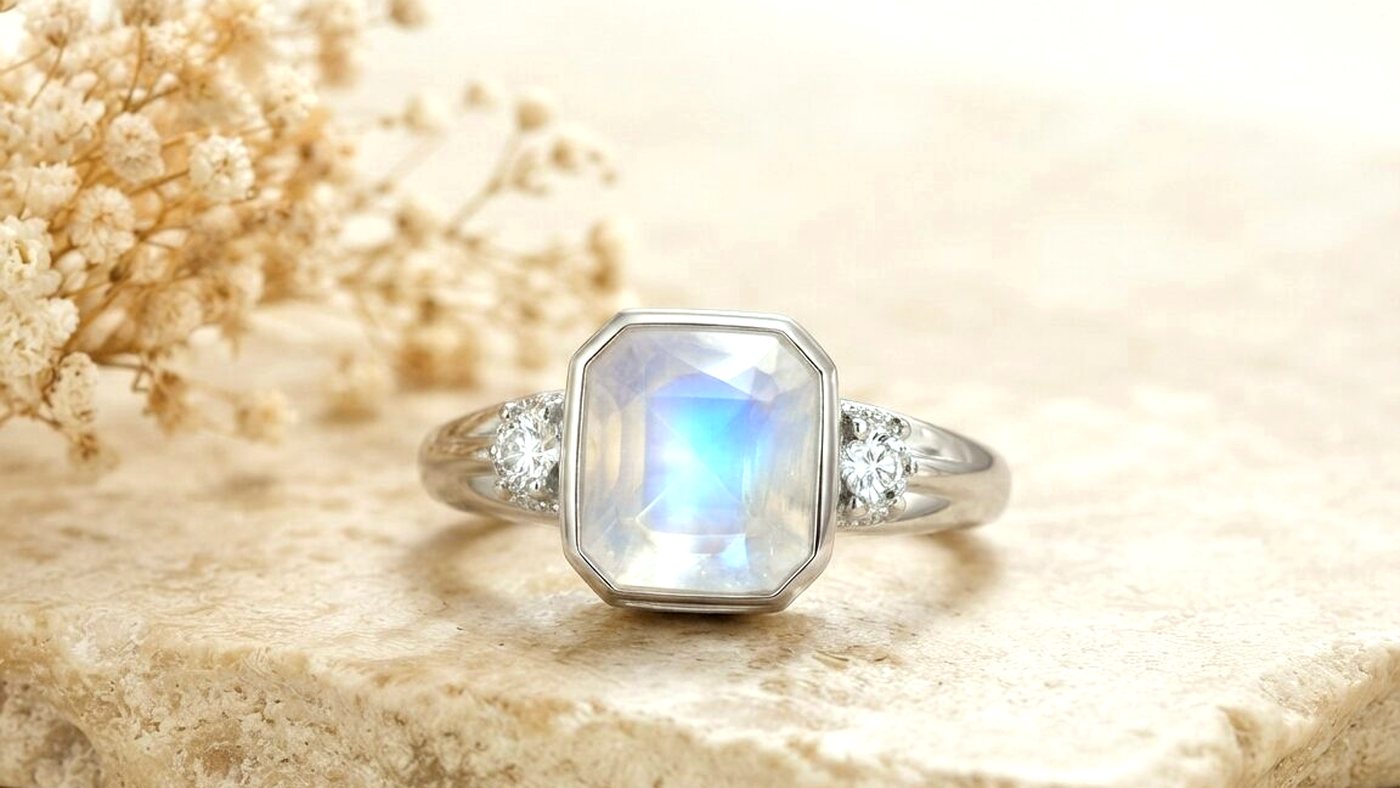
Bezel. A rim of metal wrapped around the stone, sitting low. Nothing protrudes, nothing catches on knitwear, nothing snags in a bag lining, and there are no prongs to have checked. This is the most practical setting there is, and it is what we use on the Aperture Ring for exactly that reason. If you intend to genuinely forget you are wearing a ring, buy a bezel.
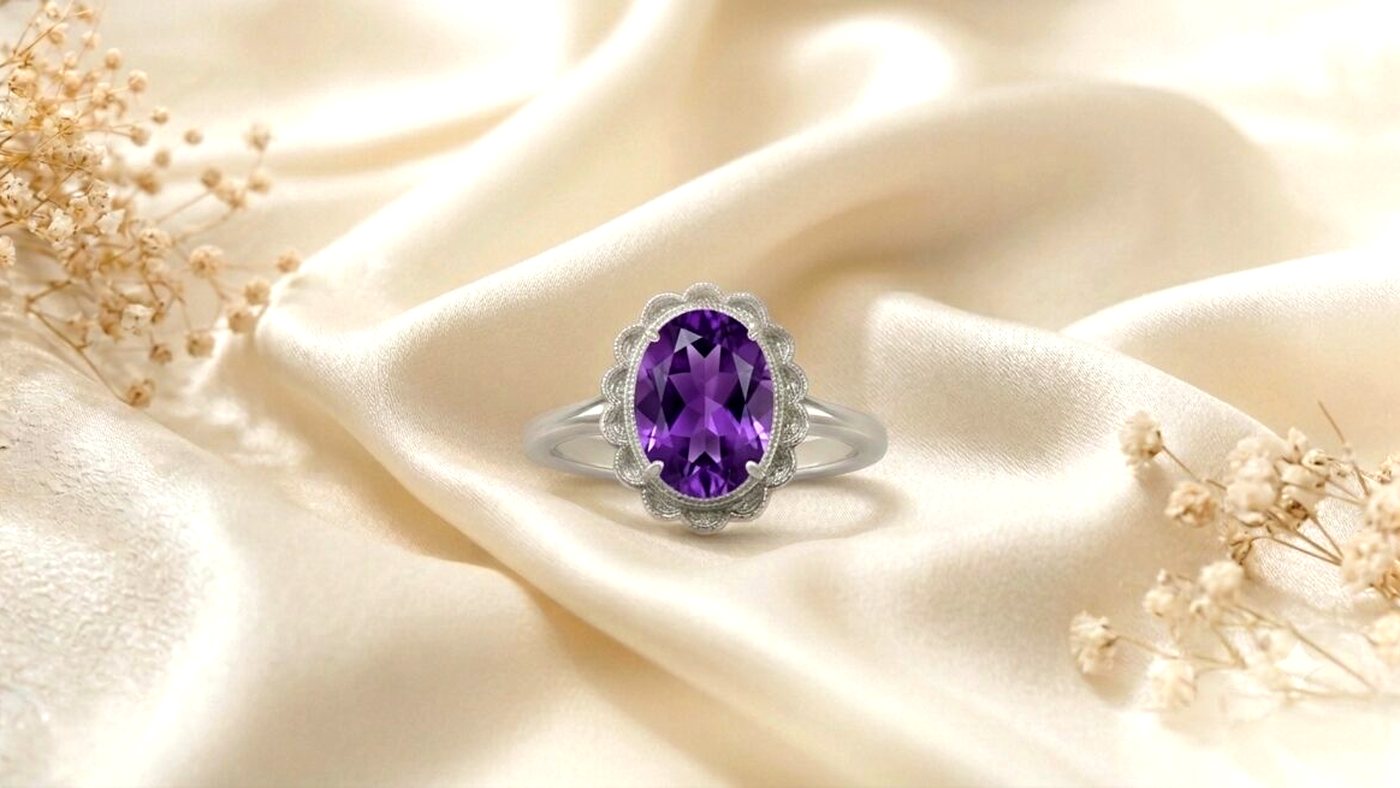
Claw or prong. Small metal fingers holding the stone, with open space underneath. Light reaches the back of the stone, so a transparent gem is noticeably brighter than in a bezel. The cost is that prongs sit higher, catch more, and should be checked once a year. Worth it for a faceted amethyst or garnet. Less sensible for a soft cabochon.
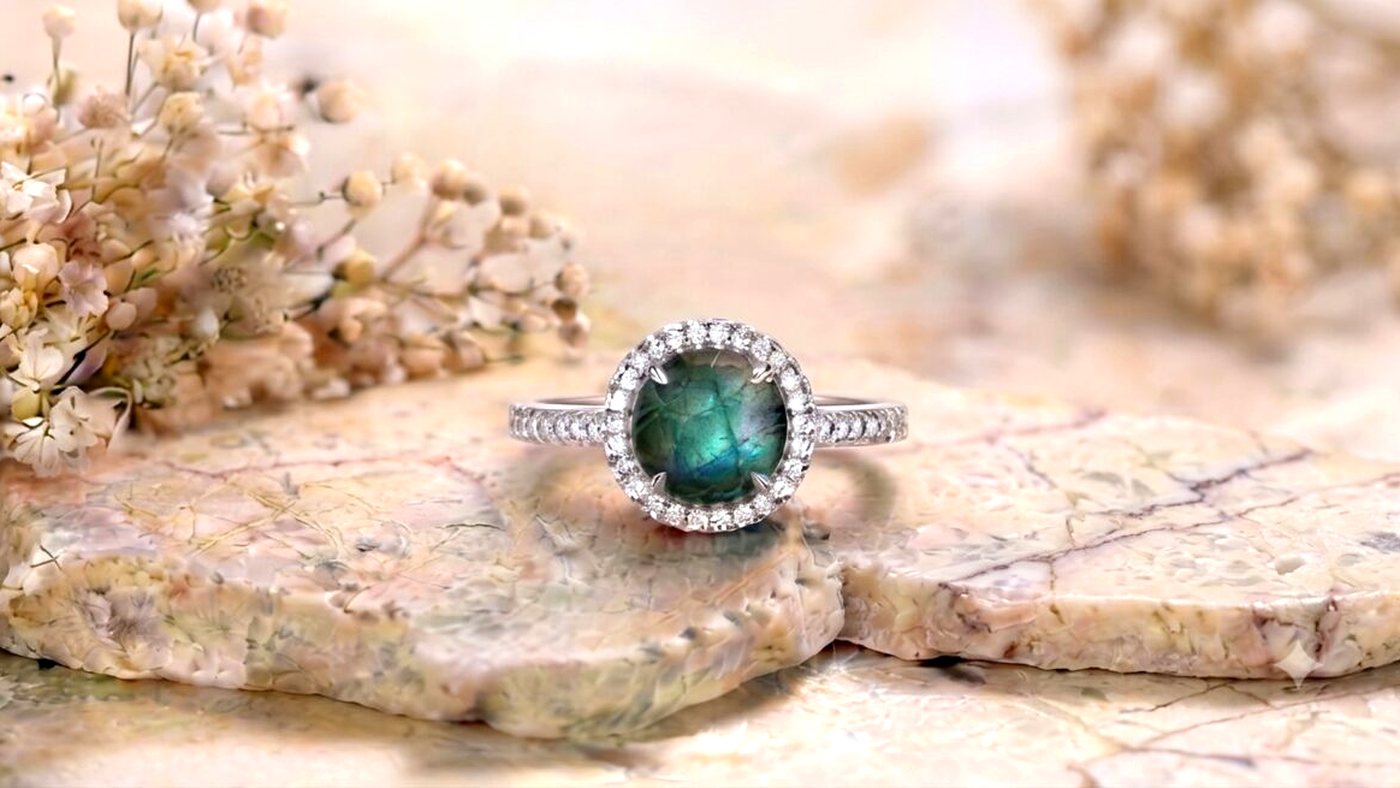
Halo. A ring of small stones around the centre stone. Its actual function is optical: it makes the centre stone read larger and brighter than it is. It also sits high. Formal, visible, and not the ring to wear to the gym.
Wide flat band. Sits solidly, does not spin, and wants to be worn alone. If you have ever been irritated by a thin ring rotating so the stone faces sideways, a wide band solves it permanently.
Then match the stone to your actual life
Hardness is measured on the Mohs scale, and it matters more than anything else for a ring, because hands hit things.
| Stone | Hardness | Honest verdict for a daily ring |
|---|---|---|
| Aquamarine | 7.5 to 8 | Excellent. Wear it constantly. |
| Garnet | 7 to 7.5 | Very good. Avoid sharp knocks to facet edges. |
| Amethyst, citrine, rose quartz | 7 | Good. Keep out of prolonged sun. |
| Carnelian, tiger eye, black onyx | 6.5 to 7 | Good, and opaque, so scratches show less. |
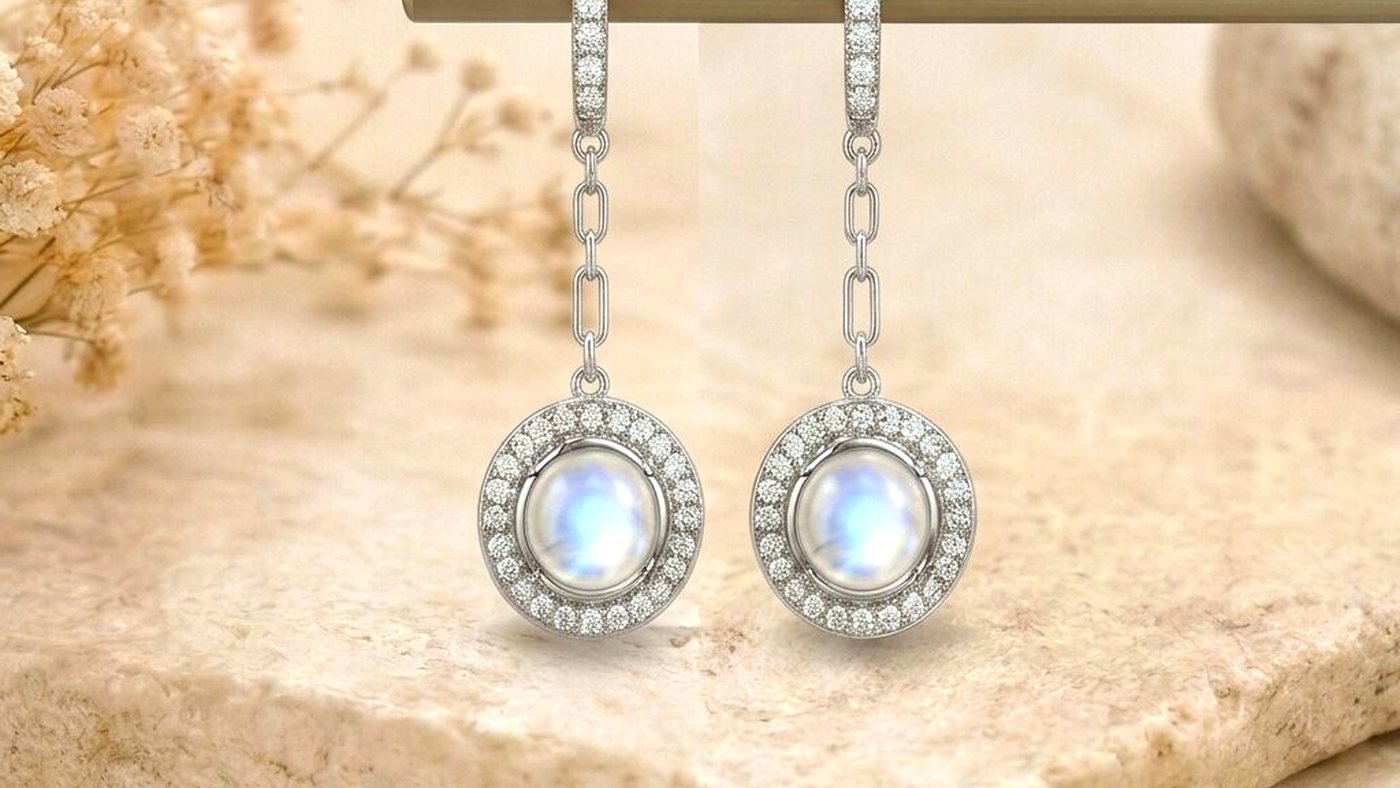
| Moonstone, labradorite | 6 to 6.5 | Beautiful, and needs a little care. Bezel it. |
| Lapis lazuli | 5 to 6 | Softest we set. Better as earrings or a pendant. |
If you work with your hands, do a lot of gardening, or simply know yourself to be careless, that table should decide the stone before aesthetics do. A bezel-set moonstone is fine for daily wear. A claw-set lapis on your dominant hand is a slow-motion accident.
Size it properly
Three points that cause most of the returns in this category:
A wide band fits tighter than a thin one at the same measurement. If you usually take a 15 in a thin band, you may want a 15.5 or 16 in a 6mm band. This is the single most common sizing mistake.
Fingers change size through the day and through the year. They are smallest in the morning and in cold weather, and can be a full size larger in the afternoon in a Delhi summer. Measure in the evening, at normal temperature, and size for the larger reading. A ring you cannot get on in July is useless in July.
Your two hands differ. Usually by a quarter to half a size, and usually the dominant hand is larger. Measure the actual finger you intend to use.
Our size guide has three ways to measure at home, including a printable gauge, and we will happily talk you through it before you order.
Practical questions worth asking
Before buying any gemstone ring online:
- What are the stone's dimensions in millimetres? Not "statement". A number. A 6mm cabochon and a 12mm cabochon are entirely different rings.
- Can I see the actual stone? For moonstone, labradorite, lapis and tiger eye this is close to essential, because the specific stone is the product.
- Can it be resized, and by how much? Plain bands resize easily. Bands with stones set around them often cannot be resized at all.
- What is the treatment disclosure? Standard treatments are fine. Silence is not.
- What is the return window, and who pays the shipping? Get this in writing before, not after.
Choosing well, in one paragraph
Pick the setting for your life, then the stone for your eye, then measure your finger in the evening. Buy the piece you want to wear on an ordinary Tuesday rather than the piece that photographs best. If you are torn between a stone that is beautiful in photographs and one that is better in person, take the second. You are the only person who will see it at close range for the next ten years, and that is the whole point of buying jewellery for yourself.
Browse all rings, or message us with what you have in mind and we will tell you honestly whether it is a good idea.