Gemstones · 5 min read
Why natural gemstones look different in every piece
The stone you receive will not be an exact match for the photograph. This is not a defect, and here is precisely why.
Here is a sentence that appears on most gemstone jewellery websites in six-point grey type at the bottom of the page: natural variation may occur.
It is doing a lot of work for eleven words, and it is usually there to protect the seller rather than to inform you. So let us do it properly instead.
What actually varies, and by how much
A natural gemstone formed over a very long time under conditions nobody controlled. Everything about its appearance is a record of that process.
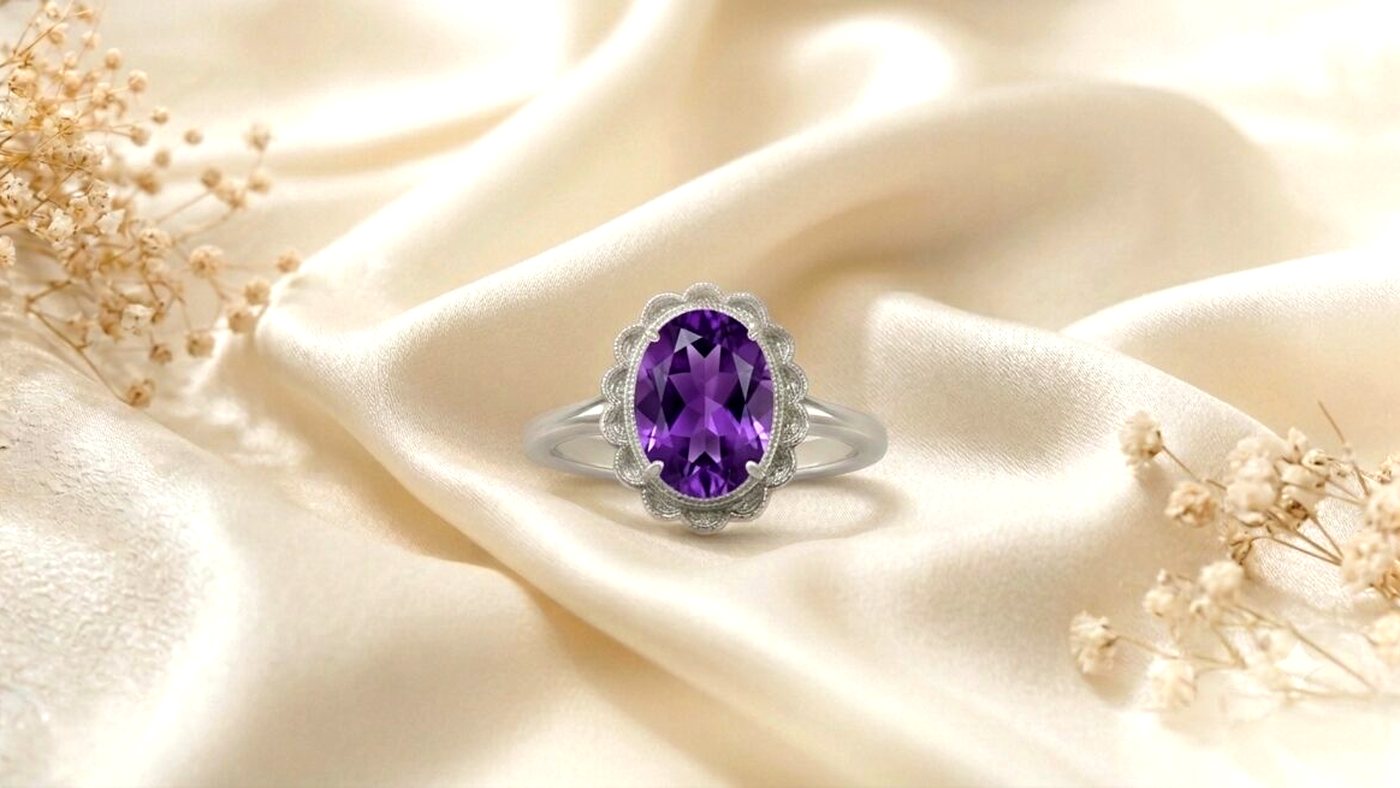
Colour saturation. Two amethysts cut from the same piece of rough can differ noticeably in tone, because violet in amethyst is distributed in bands and zones rather than evenly. A cutter orients the stone to make the face-up colour look consistent, but the raw material sets the ceiling.
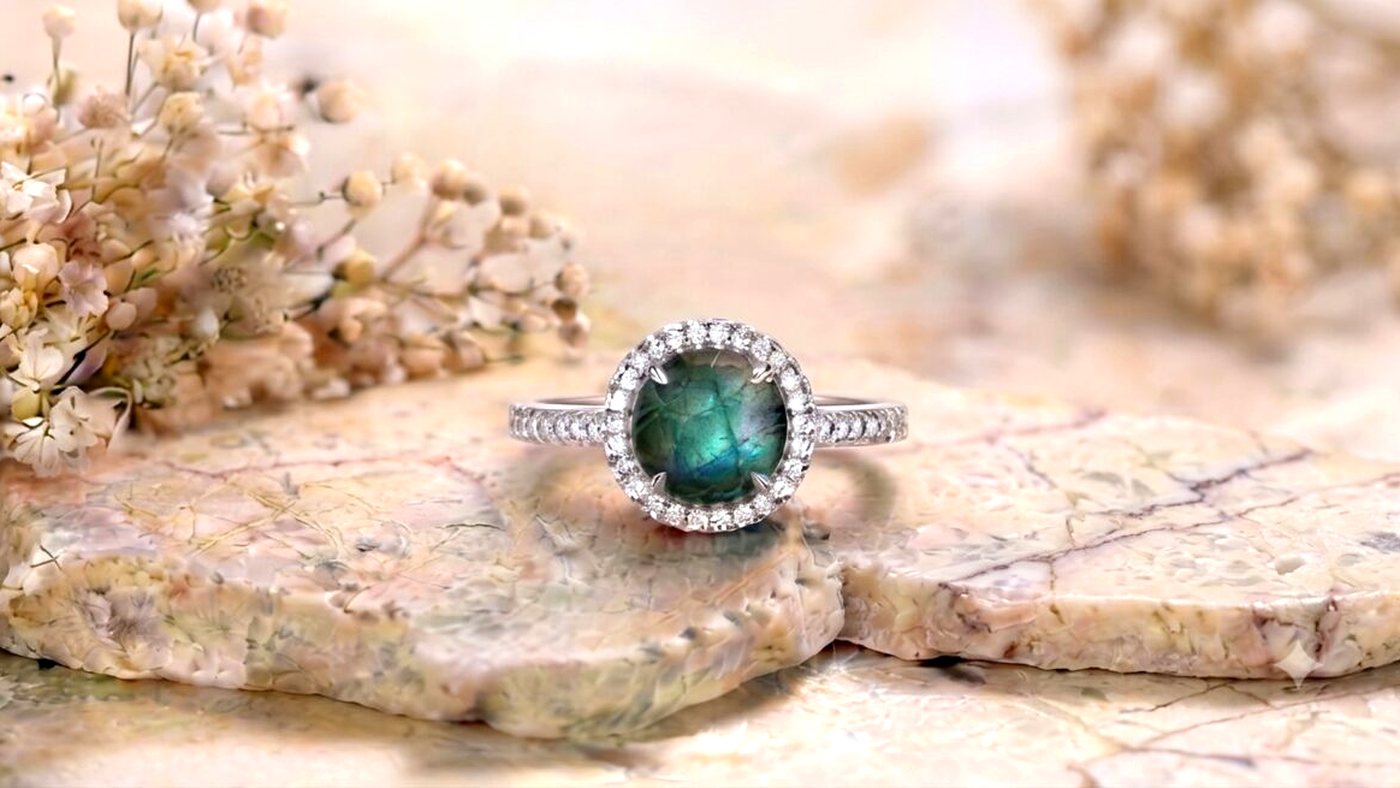
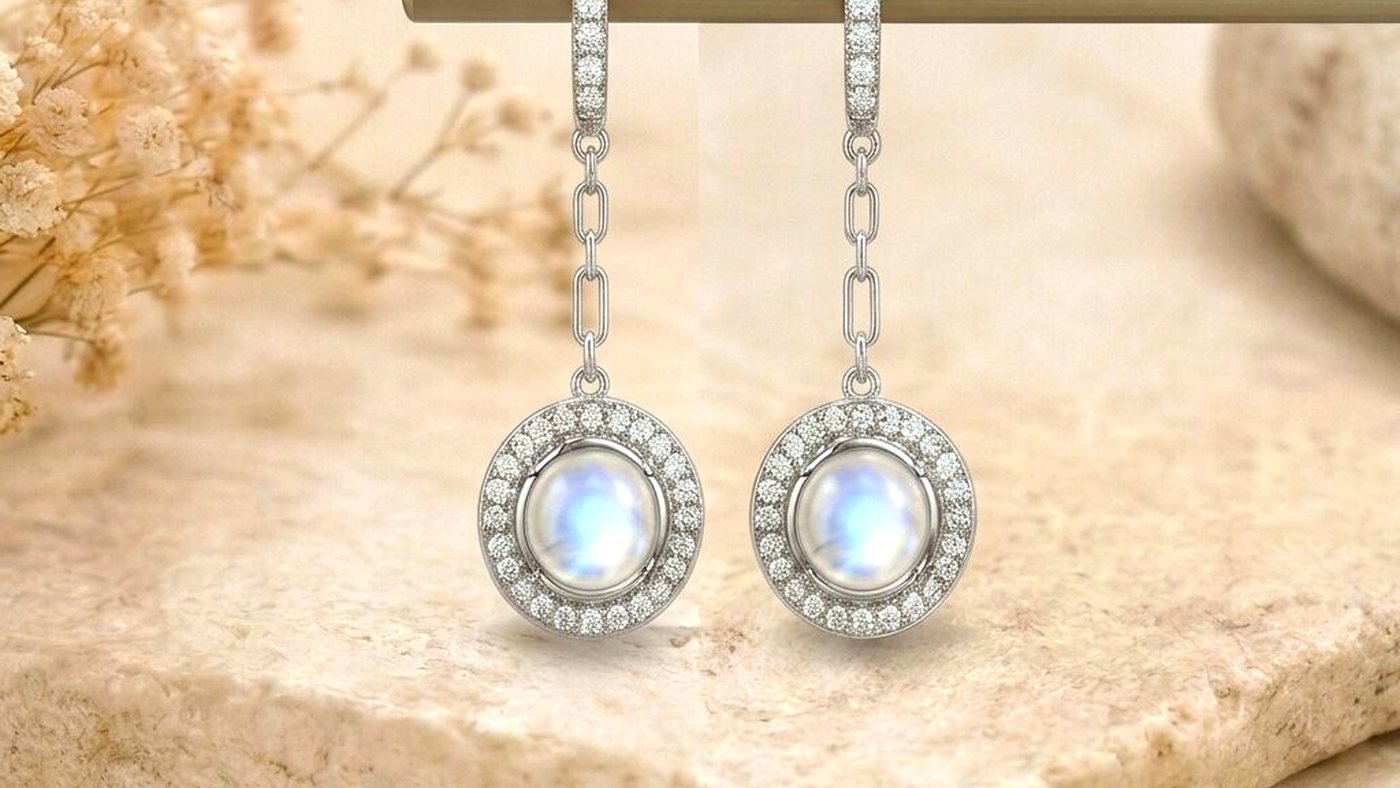
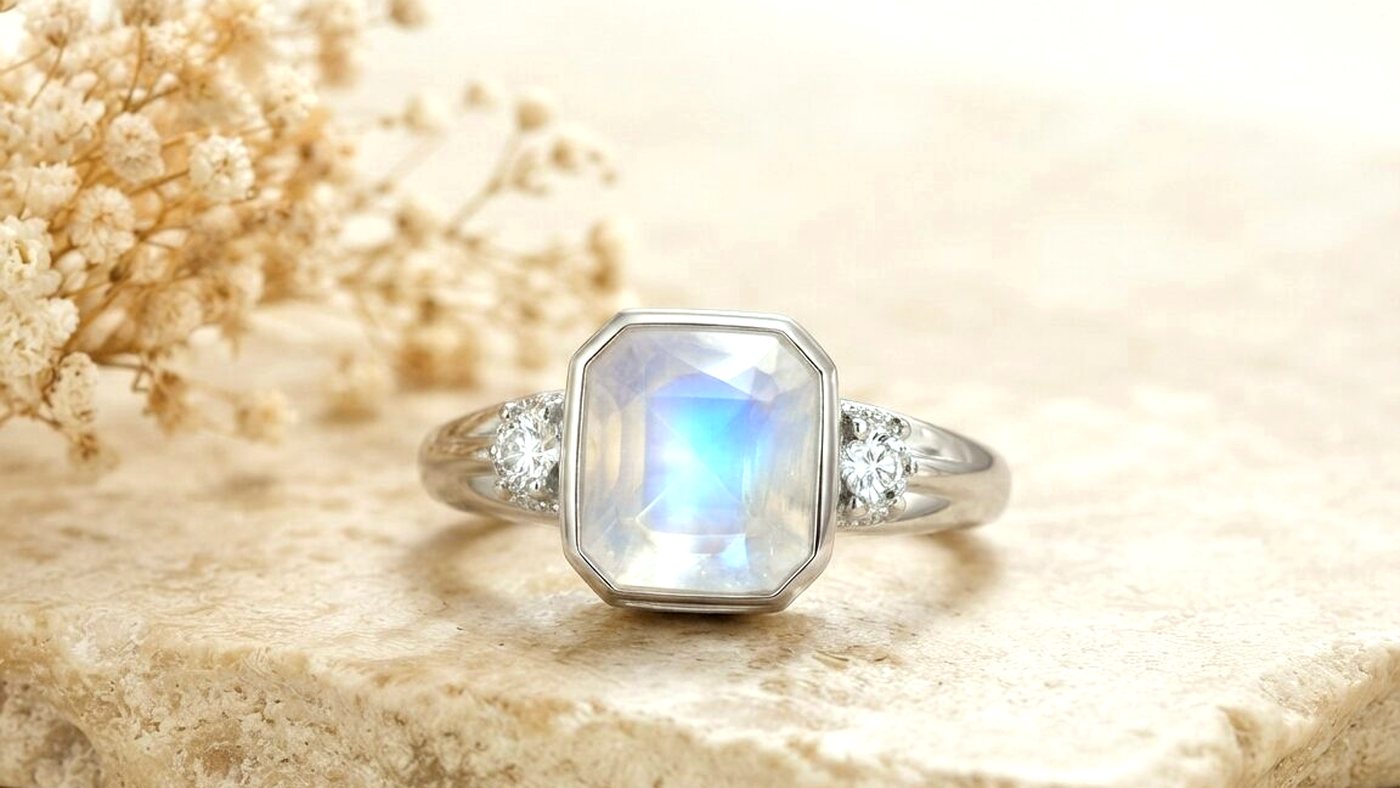
The flash. In moonstone and labradorite the entire visual appeal is an optical effect that depends on internal layering. The width, colour and position of that flash is different in every single stone. Two moonstones can be the same size, the same cut and the same price and look like different stones.
Inclusions. Feathers, veils, tiny internal fractures, needles of other minerals. In many stones these are diagnostic of the material being natural. Flawless material at accessible prices is usually a sign of something synthetic, or of glass.
Pattern. In lapis lazuli, the pyrite flecks and calcite veining are unique to each stone. In tiger eye, the sharpness and position of the moving band varies with how the rough was oriented. These are not batch-consistent materials and cannot be made so.
Why photography makes this worse
A product photograph is one stone, at one angle, under one lighting setup, at one moment. For a stone whose entire character is that it changes with angle and light, a single photograph is close to the least informative document possible.
This is the honest reason we insist on saying that yours will differ. It is not legal cover. It is that we photograph one moonstone and sell you a different one, and the honest thing is to say so clearly, in normal-sized type, rather than to hope you do not notice.
How to judge a stone properly
If you are buying any of this online, four things worth asking for:
- A photograph of the actual stone, not the catalogue image. Any small brand should be able to do this. We do it over WhatsApp before every order.
- The same stone in two lights. Window light and indoor light. For labradorite and tiger eye this is the difference between an informed purchase and a guess.
- Treatment disclosure. Most commercial citrine is heat-treated amethyst. Most black onyx is dyed chalcedony. Most aquamarine is heated. These treatments are standard, stable and permanent, and none of them make the stone less natural. What matters is that the seller tells you.
- Dimensions in millimetres. Not "large" or "statement". A number.
What this means for buying from us
Every Drishtal piece is a natural stone in 925 sterling silver, and every stone is different. When you message us about a piece, we will send you photographs of the specific stone we would set, in two lights, before you pay for anything.
That is not a service. It is the only responsible way to sell a material that does not come in batches.
Treatment and origin disclosures appear on each product page. Where we have not yet verified a detail, it says so in brackets rather than guessing, and we would rather leave a gap than fill it with something we cannot stand behind.
More on how each stone behaves in different light, or message us and we will send this week's stones.